Beauty News files developments as they break: product launches worth attention, ingredient restrictions, contamination recalls, and regulatory decisions affecting cosmetics and sun protection. Each item explains what the substance does, who is exposed, and whether a bottle already on the shelf should be discarded.
Product launches, restrictions on ingredients, contamination recalls and regulator decisions in cosmetics, with the substance and the exposure explained.
CalRecycle's final regulations under SB 54, the country's most sweeping packaging extended-producer-responsibility law, took effect May 1, 2026 — and cosmetics brands selling in California are counted among the producers who must join the system and report.
FDA issued a proposed administrative order on December 12, 2025 to add bemotrizinol — a photostable UV filter used widely in Europe and Asia — to the OTC sunscreen monograph at up to 6%, the first new sunscreen active the agency has advanced in about two decades.
At NYSCC Suppliers' Day 2026, held May 19–20 in New York, ingredient house Infinitee USA unveiled Infin Rejuve Bakuchiol, a plant-based retinol alternative — a launch that shows how the gentle-actives trend now starts in the supply chain, per the company.
Ulta Beauty closed fiscal 2025 with net sales up 11.8% to about $3.9 billion and comparable sales up 5.8% — but a softer profit picture and cautious 2026 guidance suggest the beauty boom is maturing rather than stalling.
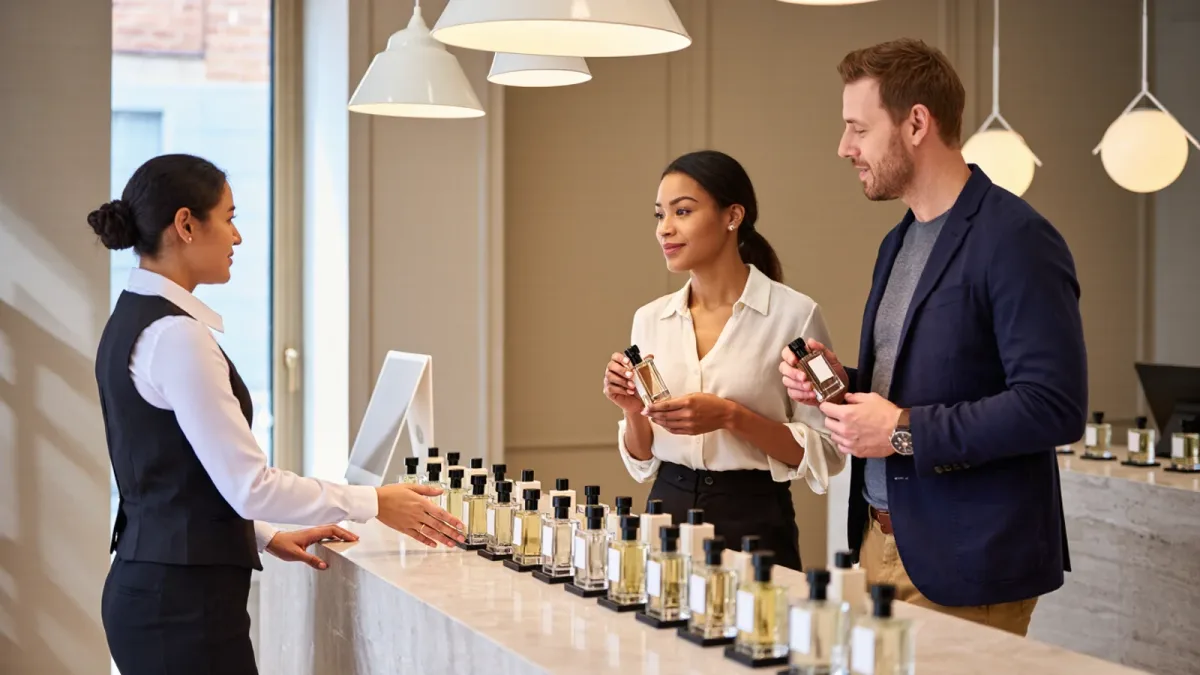
Backed by L Catterton, which agreed in January to buy Eurazeo's minority stake, Paris niche house Ex Nihilo is targeting 200 US points of sale by 2028 and three American flagship boutiques — details come from the brand and its investors.
As of January 1, 2026, Washington retailers may no longer sell cosmetics containing chemicals restricted under the state's Toxic-Free Cosmetics Act, closing the sell-through window that began when the ban took effect in 2025.