
Niacinamide, Explained: What the Studies Support and What They Don't
The brightening evidence covers 5 percent, the sebum work covers 2 percent, and the label rarely tells you which study your bottle is leaning on.
Written by Sarah CollinsBeauty analyzes products at the level of the formula: active ingredient, concentration, delivery system and the evidence supporting each claim. Coverage spans skincare, sun protection, hair treatment and in-clinic procedures, with realistic timelines for visible change and clear notes on when a dermatologist is the better purchase.
Skincare and haircare examined by formulation: which actives work at which concentrations, how long results take, and where topical treatment stops.
The brightening evidence covers 5 percent, the sebum work covers 2 percent, and the label rarely tells you which study your bottle is leaning on.
Written by Sarah Collins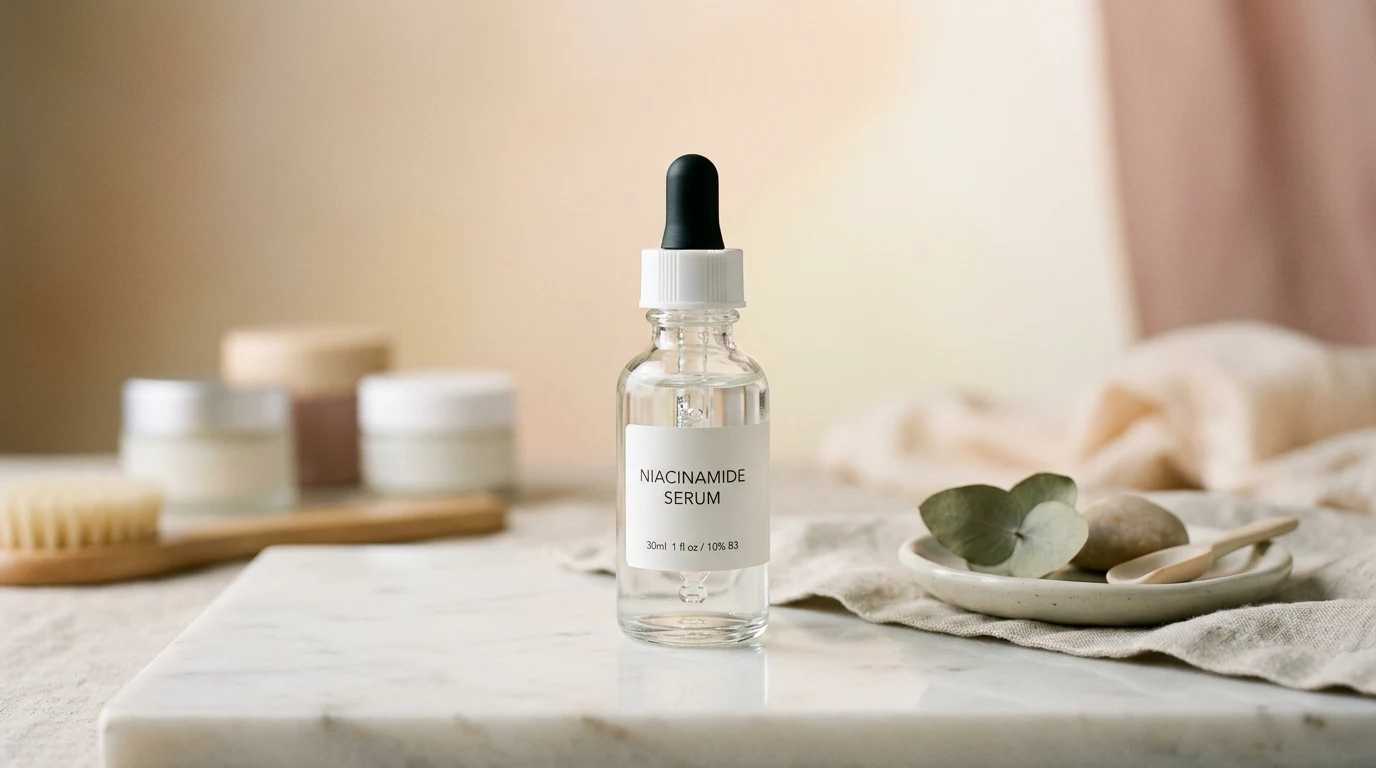
Two vehicle-controlled trials measured pigment, not promises — here is what a decade of niacinamide research does and does not support.
Written by Sarah Collins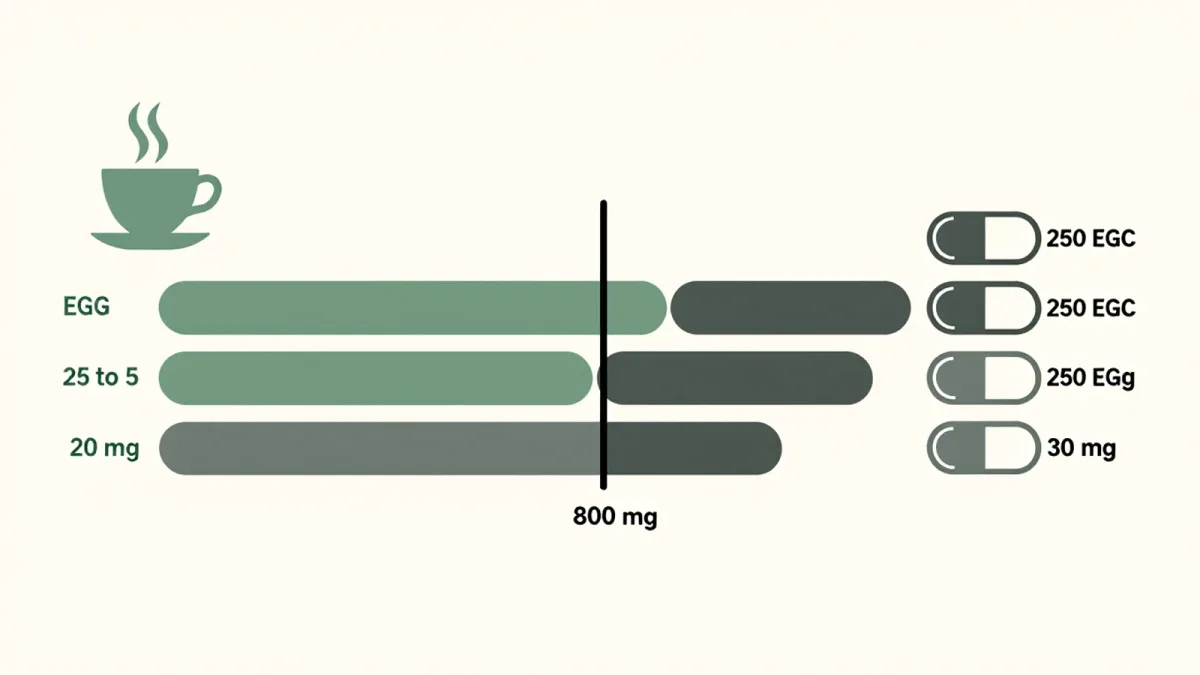
The NIH LiverTox database counts at least 100 published liver-injury cases linked to green tea extract, and Europe's food-safety agency flagged doses of 800 mg EGCG and above in 2018.
Written by Sarah Collins
A ferritin below 15 micrograms per liter defines deficiency by the WHO's 2020 guideline — and a 2017 study found taking iron every other day absorbs more than taking it daily.
Written by Sarah Collins
Lab analyses found gummies and tablets ranging from 71 to 347 percent of their labeled melatonin content — while pediatric ingestions rose five-fold in a decade.
Written by Sarah Collins
The FDA does not approve supplements before sale — which makes the certification programs, and their very different scopes, the only outside check many products get.
Written by Sarah Collins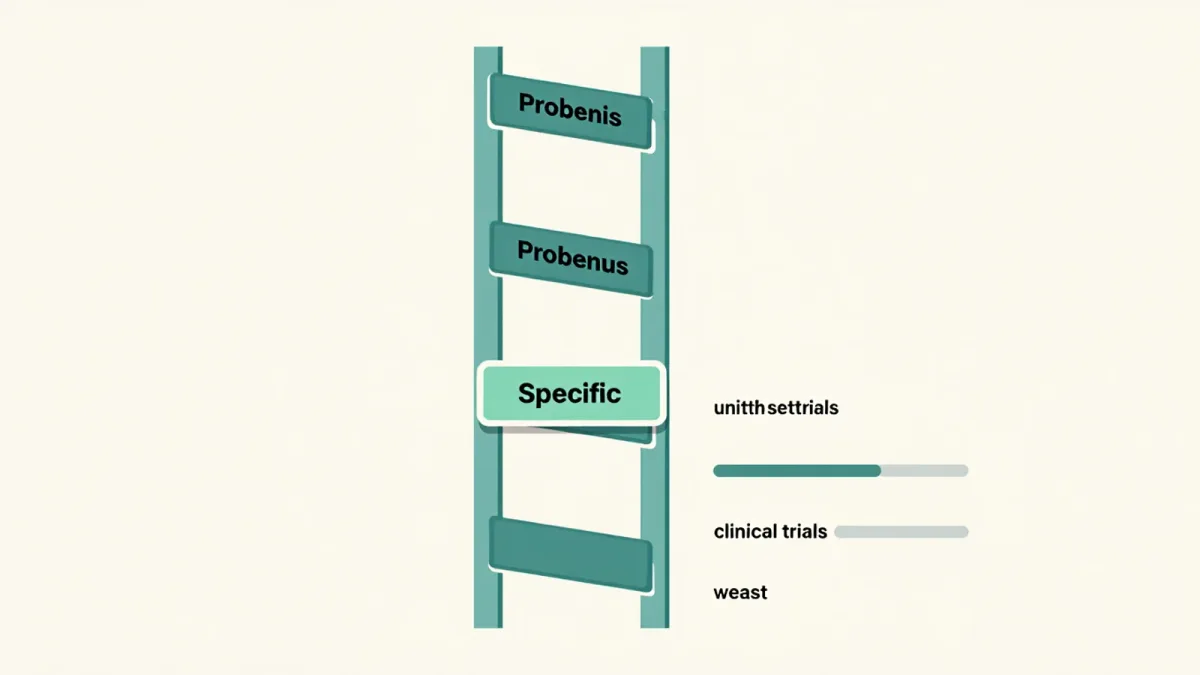
The strongest data sits in antibiotic-associated diarrhea; the weakest sits in the broad immune and mood claims printed across the rest of the shelf.
Written by Sarah Collins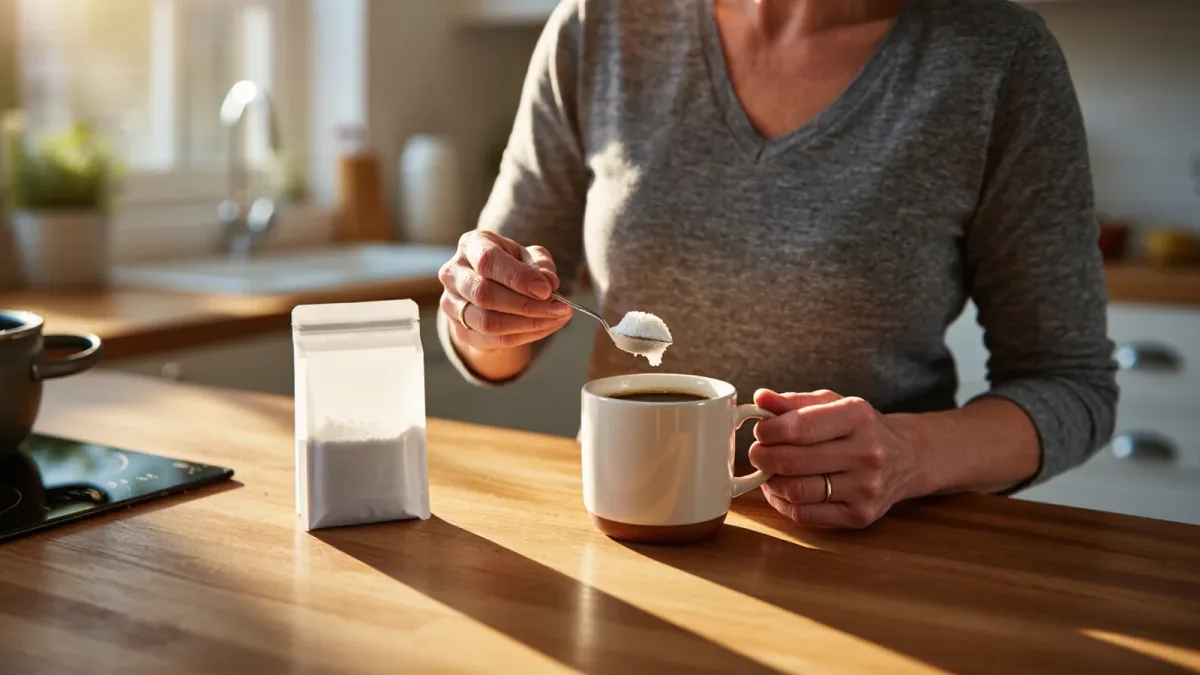
A 2021 meta-analysis of 19 trials found measurable gains in hydration and elasticity — but nearly every trial tested a manufacturer's own peptide powder for eight to twelve weeks.
Written by Sarah Collins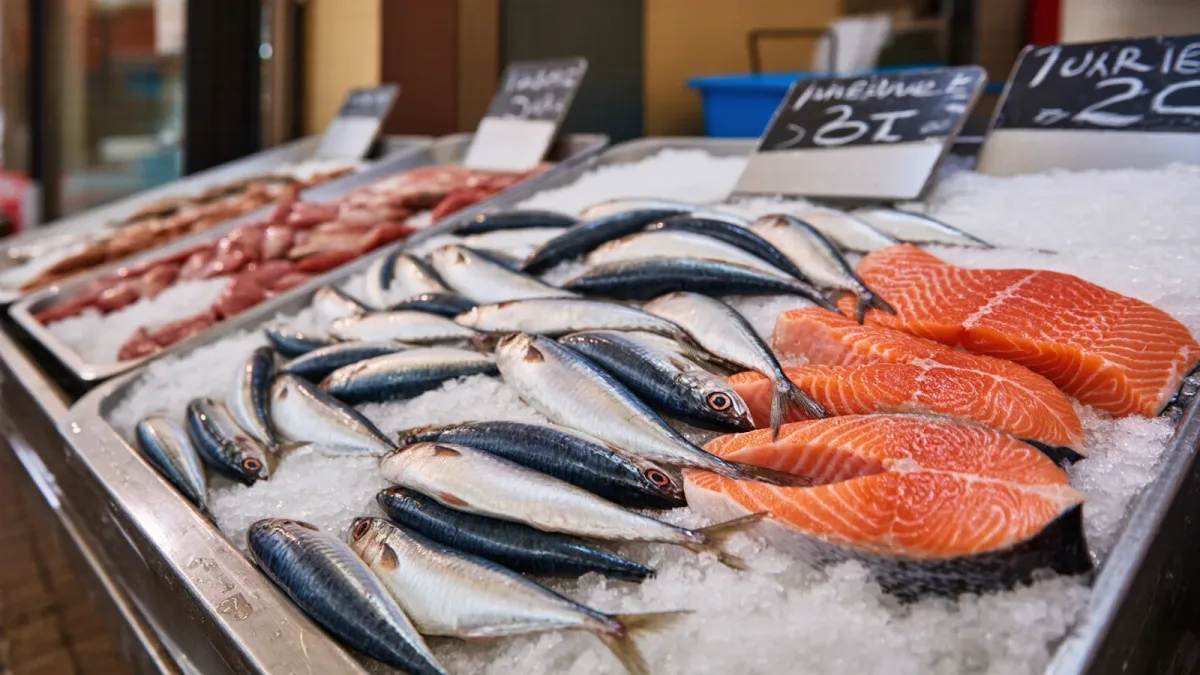
VITAL, REDUCE-IT, and STRENGTH enrolled more than 40,000 people between them — and their verdicts on fish-oil capsules diverged in ways that matter on both sides of the pharmacy counter.
Written by Sarah Collins
The adaptogen's trial record is real but small and extract-specific — and a 2023 regulatory suspension in Denmark put liver safety on the label discussion.
Written by Sarah Collins